The Plant Lady SF
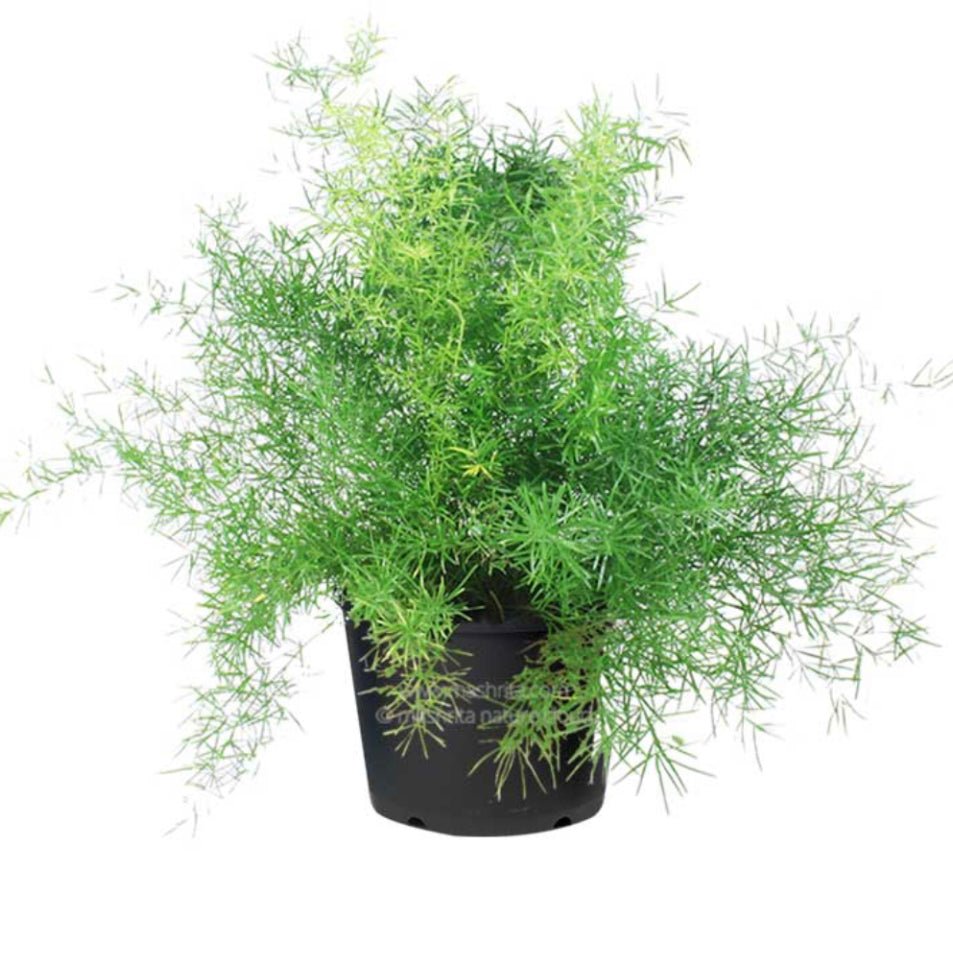
Asparagus densiflorus 'Myers' (Foxtail Fern)
Asparagus densiflorus 'Myers' (Foxtail Fern)
Couldn't load pickup availability
Commonly known as Foxtail Fern, Asparagus densiflorus ‘Myers’ is a sculptural and highly textural plant beloved for its soft, bottlebrush-shaped fronds that rise upright like green flames. Despite the name, it’s not a true fern—it’s actually a member of the asparagus family—and its tough, water-wise nature makes it a favorite for both indoor containers and outdoor landscapes.
This cultivar stays more compact and upright than its trailing cousin Asparagus aethiopicus, and offers a bright, tidy silhouette with a slightly tropical feel.
Light: Bright gentle light to partial sun. Tolerates lower light indoors but may grow more slowly.
Temperature: Thrives in warm indoor or outdoor temps (60–85°F). Protect from frost.
Humidity: Adaptable. Prefers moderate humidity but tolerates typical household conditions well.
Water: Water when the top inch or two of soil feels dry. Increase frequency in bright light or heat. Reduce in winter.
Potting mix: Use a well-draining mix with added perlite or sand for aeration.
Fertilizer: Feed monthly in spring and summer with diluted, balanced fertilizer.
How to grow Asparagus densiflorus ‘Myers’ indoors:
Place in a bright, warm spot with good airflow and water when the top inch of soil is dry. Prune back old or yellowing stems to encourage new growth. This plant is resilient and bounces back quickly from dryness but doesn’t appreciate soggy soil. Though frequently sold as pet safe, it can cause mild irritation if ingested—keep out of reach of curious pets or children.
How to grow Asparagus densiflorus ‘Myers’ outdoors in the Bay Area:
Excellent for containers, beds, or borders in frost-free parts of the Bay. Provide partial sun to bright gentle light, and keep soil lightly moist during the growing season. It handles coastal fog and heat with equal ease, and makes a beautiful structural contrast in mixed planters. In colder areas, overwinter indoors or protect during frost events.
Pet safe: Mildly toxic – may cause irritation if ingested
Difficulty: Easy—durable, low-maintenance, and highly rewarding
Share