Cascade Tropicals
Hoya meliflua
Hoya meliflua
Couldn't load pickup availability
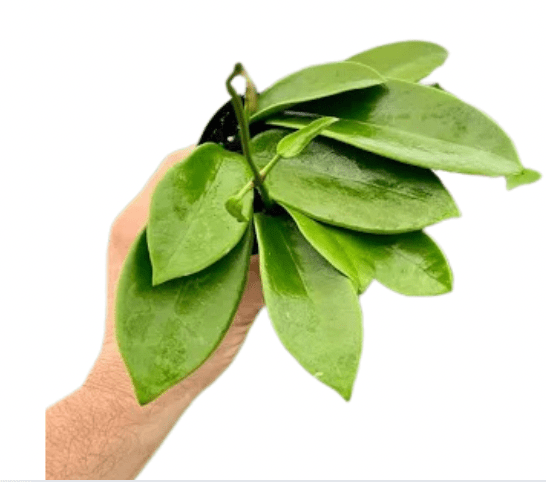
Hoya meliflua is a striking, fast-growing species native to the Philippines, known for its glossy, succulent leaves and dramatic reddish-orange to deep maroon flowers. The name “meliflua” means “honey-flowing”—a nod to the nectar that drips from its dense umbels of star-shaped blooms. When in full flower, this plant is a pollinator magnet (outdoors) and a showpiece for collectors indoors.
With its bold foliage, strong vining habit, and generous blooming in the right conditions, Hoya meliflua is a favorite among Hoya enthusiasts.
Light: Thrives in bright gentle light. Can tolerate some direct morning sun, but protect from harsh afternoon rays.
Temperature: Prefers warm indoor temps (65–85°F). Avoid cold drafts and temps below 50°F.
Humidity: Moderate to high humidity preferred (50–70%), though it adapts to most indoor environments.
Water: Allow the top 1–2 inches of soil to dry before watering. Water thoroughly, then allow excess to drain.
Potting mix: Use a loose, well-draining mix—chunky bark, perlite, and coco coir or peat-based base.
Fertilizer: Feed monthly during the growing season with diluted orchid or houseplant fertilizer.
How to grow Hoya meliflua indoors:
Grow in a bright, warm spot with filtered light and allow the soil to dry slightly between waterings. Provide a trellis or allow to trail—it grows vigorously and appreciates structure. Flowers typically emerge once the plant is mature and rootbound. Use distilled or filtered water if your local tap is hard—though San Francisco’s Hetch Hetchy water is generally safe.
How to grow Hoya meliflua outdoors in the Bay Area:
Outdoors, Hoya meliflua performs best in sheltered, frost-free areas like covered patios or protected balconies. Provide bright gentle light, good drainage, and protection from temperatures below 50°F. Bring indoors in colder months.
Pet safe: Yes (based on ASPCA guidelines)
Difficulty: Easy to intermediate. Vigorous, resilient, and impressive when in bloom.
Share