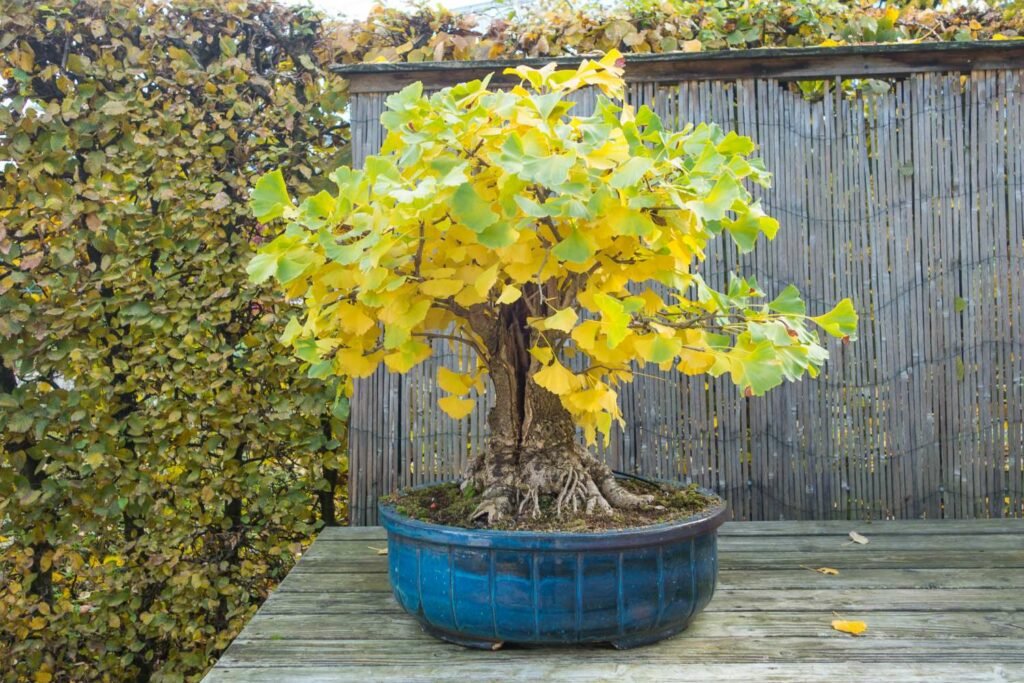
Ginkgo biloba
Ginkgo biloba
Couldn't load pickup availability
Ancient and architectural, Ginkgo is a living fossil with fan-shaped leaves that turn brilliant golden yellow in autumn. Its history and seasonal beauty make it a stunning and meaningful addition to any collection.
Origin & Background
Ginkgo biloba is one of the oldest living tree species on Earth, with fossils dating back over 200 million years. Native to China, it has been cultivated for centuries in temple gardens and city streets alike. Revered for resilience and longevity, Ginkgo trees can live for over 1,000 years.
Light
Thrives in full sun for best color and growth. It can tolerate partial shade but may develop a looser habit and less vibrant autumn color.
Water
Moderately drought tolerant once established. Water deeply but infrequently, allowing soil to dry slightly between waterings during the first few years. Mature trees need little supplemental water except in very dry spells.
Humidity
Adaptable to a wide range of climates, from humid to dry. No special requirements.
Temperature
Cold hardy and extremely tolerant, thriving from USDA zones 4–9. It can withstand both urban pollution and severe winters.
Soil
Well-draining soil is ideal, but Ginkgo adapts to clay, loam, or sandy soils. It is not fussy about pH.
Fertilizer
Young trees benefit from an annual application of balanced fertilizer in spring. Mature trees usually require no feeding.
Growth Habit
Deciduous tree with a tall, upright form. Slow-growing when young but can reach 50–80 feet over time. Leaves are distinctively fan-shaped, with a graceful flutter in the wind and brilliant golden fall color.
Repotting / Container Growth
Though traditionally planted outdoors, Ginkgo can be grown in large containers or even trained as bonsai. If container-grown, repot every 2–3 years into fresh, well-draining soil.
Pet Safety
Pet safe — not toxic to cats or dogs (per ASPCA).
Share