Hoya vitellinoides
Hoya vitellinoides
Couldn't load pickup availability
Hoya vitellinoides is a large-leaved, eye-catching species from Borneo, known for its dramatic venation and jungle-like presence. Each leaf is thick, leathery, and deep green with bright yellow-green veins that seem to glow under the surface—especially in strong light. The leaves can grow impressively large and take on a slightly puckered texture with age, giving this plant a wild, untamed beauty.
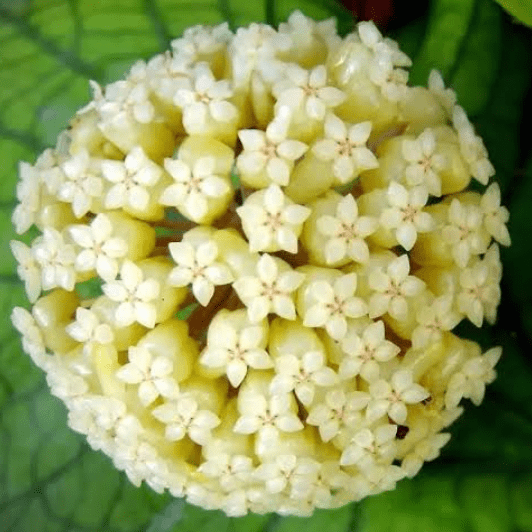
When mature, Hoya vitellinoides produces creamy yellow flowers with a fuzzy texture and sweet scent, but most growers love this species for the foliage alone.
Light: Thrives in bright gentle light. Can tolerate a bit of early morning sun but protect from hot, direct rays.
Temperature: Prefers warm conditions (65–85°F). Sensitive to cold; protect from temps below 55°F.
Humidity: High humidity (60–80%) is ideal. Appreciates a greenhouse cabinet or humidifier in dry homes.
Water: Allow the top 1–2 inches of soil to dry before watering. Avoid overwatering—this species is prone to rot if kept soggy.
Potting mix: Loose, chunky mix with bark, perlite, and coco coir or peat. Good airflow around the roots is essential.
Fertilizer: Use diluted orchid or houseplant fertilizer once a month during active growth.
How to grow Hoya vitellinoides indoors:
This plant thrives in warm, humid indoor environments with bright filtered light. It does best in a spot with consistent humidity, such as near a humidifier or in a greenhouse-style cabinet. Water when the soil feels dry a couple inches down, and avoid letting it sit wet. Use distilled or filtered water when possible, unless you have high-quality tap like San Francisco’s Hetch Hetchy supply.
How to grow Hoya vitellinoides outdoors in the Bay Area:
Outdoors, grow only in protected, frost-free areas with bright gentle light. A covered patio, greenhouse, or warm sunroom is ideal. Bring indoors when temps fall below 55°F or when humidity drops. Avoid direct sun, especially in dry inland zones.
Pet safe: Yes (based on ASPCA guidelines)
Difficulty: Intermediate. Dramatic and rewarding with proper warmth and humidity.
Share